

Oil and gas accounting requires absolute precision when categorizing operational and capital spending across upstream, midstream, and downstream assets. Misclassifying an expenditure directly alters the balance sheet, distorts earnings before interest, taxes, depreciation, and amortization (EBITDA), and exposes petroleum enterprises to severe regulatory penalties. Financial professionals, project engineers, and asset managers often struggle to apply consistent capitalization criteria to complex field operations.
Understanding Why CAPEX and OPEX Classification Matters in Oil and Gas Finance establishes the foundational financial rationale required by commercial managers to preserve asset value and ensure regulatory compliance. The CAPEX vs OPEX Classification & Decision Rules Training Course from Institute For Oil & Gas Training resolves these operational ambiguities by delivering a rigorous, specification-driven curriculum designed to standardize expenditure governance across corporate entities.
What Is the CAPEX vs OPEX Classification Training Course and What Problem Does It Solve?
The CAPEX vs OPEX Classification & Decision Rules Training Course by Institute For Oil & Gas Training solves accounting misclassification risks by establishing clear capitalization criteria, expensing thresholds, and standardized decision rules for complex petroleum asset operations.
Petroleum operations involve multi-million-pound decisions daily. A major operational challenge within energy firms is the lack of alignment between engineering teams who execute field modifications and accounting teams who maintain financial books. Field personnel routinely approve work orders without recognizing the long-term accounting implications, while finance departments lack the technical insight to evaluate whether an intervention represents maintenance or enhancement. This knowledge gap causes inaccurate capitalization of routine repairs or improper expensing of asset modifications.
Corporate governance degrades when financial policies lack technical precision. The CAPEX vs OPEX Classification & Decision Rules Training Course bridges the technical-financial boundary by teaching non-finance managers and financial analysts how to evaluate field activities using standardized accounting frameworks. Participants gain a clear framework to analyze the capital expenditure definition against the operating expenditure definition, ensuring that every asset intervention is recognized in accordance with International Financial Reporting Standards (IFRS) and Generally Accepted Accounting Principles (GAAP).
Organizations sending personnel to Institute For Oil & Gas Training experience an immediate reduction in financial reclassifications, external audit queries, and tax non-compliance penalties. The syllabus eliminates subjective interpretations of cost allocation, substituting vague rules of thumb with measurable engineering and accounting criteria. By providing systematic decision tools, this training empowers cross-functional teams to protect corporate liquidity, optimize tax depreciation schedules, and maintain robust financial statements across all phases of the exploration and production lifecycle.
Why Is This Petroleum Accounting Course Structured for Decision-Stage Professionals?
This course is structured systematically to move participants from core financial definitions through technical asset evaluations to real-world policy writing, ensuring immediate operational application within energy corporate finance environments.
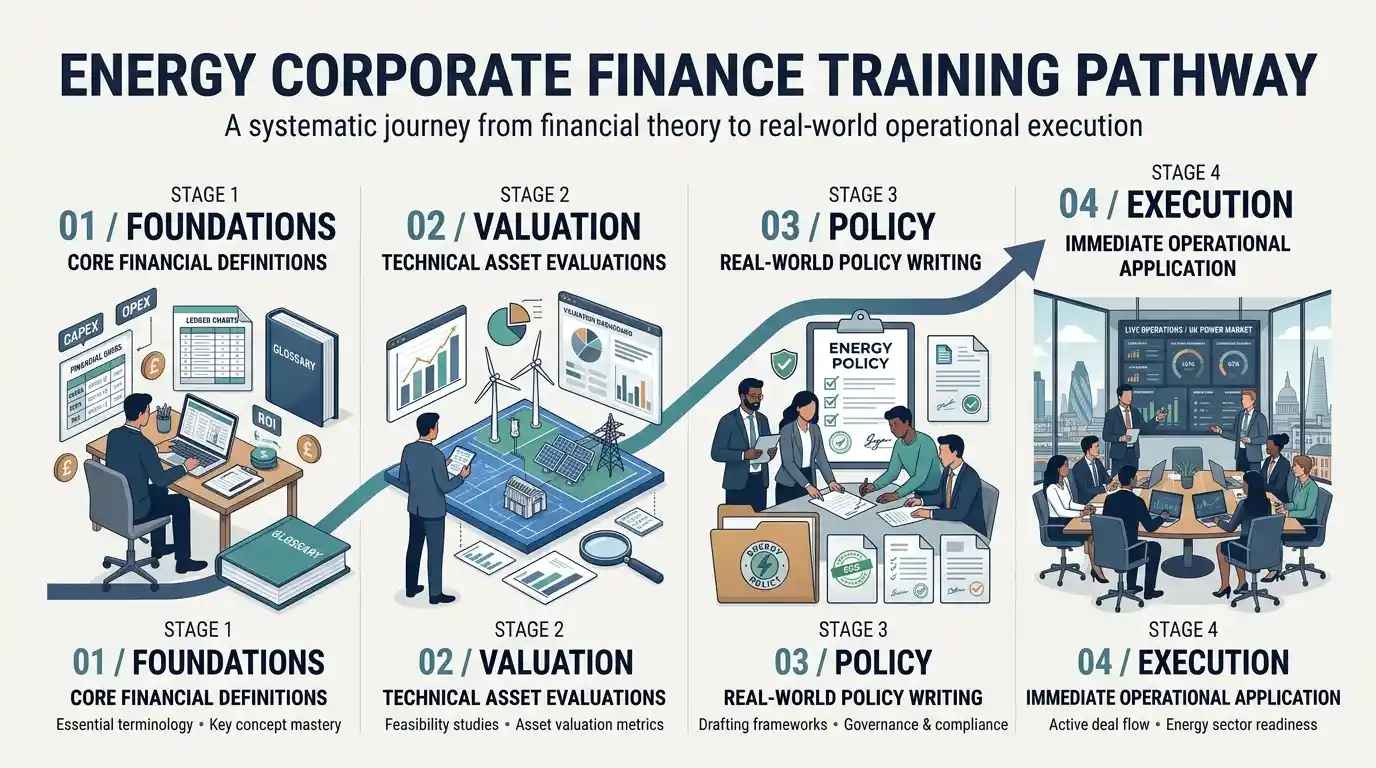
Financial decision-making in the oil and gas sector demands structured learning paths that reflect actual asset management workflows. The syllabus developed by Institute For Oil & Gas Training rejects theoretical lectures in favor of operational methodologies. The course architecture follows a three-stage progression: foundational framework verification, operational asset application, and corporate policy drafting. This design ensures participants understand the financial theory while mastering the practical execution of spending classifications.
Learning progression requires evaluating complex real-world scenarios where operational boundaries are blurred. Professionals must analyze detailed case studies detailing How to Apply CAPEX and OPEX Classification Rules in Petroleum Operations to establish exact financial boundaries during drilling, field development, and facility modifications. The curriculum structure ensures that participants learn how to differentiate routine operating expenditures from capital investments during joint venture negotiations and major asset turnarounds.
The structure incorporates formal verification gates at the conclusion of each learning block. Delegates do not simply absorb information; they solve live financial dilemmas drawn from actual offshore and onshore operations. Institute For Oil & Gas Training designs these modules so that corporate human resources teams and department heads can verify skill attainment through practical diagnostic scores. This structural discipline ensures that corporate training investments yield immediate improvements in internal audit performance and project cost control.
What Will Participants Learn in the CAPEX vs OPEX Training Modules?
Participants learn to apply capitalization criteria, evaluate useful life extensions, perform betterment tests, audit workover classifications, and author comprehensive classification policy documentation for energy enterprise operations.
Module 1: Financial and Regulatory Foundations
This foundational module establishes the legal and regulatory framework governing asset accounting in the international energy industry. Delegates examine standard accounting definitions under International Accounting Standard (IAS) 16 Property, Plant and Equipment, Accounting Standards Codification (ASC) 360, and IAS 38 Intangibles. The training clearly differentiates between expenditures that generate future economic benefits and those that preserve existing asset capacity.
Participants master the mechanics of setting fixed expensing thresholds across different operating units. The module covers:
Establishing baseline capitalization criteria for physical and non-physical assets.
Defining monetary limits for automatic expensing to reduce administrative burden.
Accounting for preliminary survey, exploration, and appraisal expenditures.
Distinguishing between tangible production facilities and intangible software licenses.
Module 2: Upstream and Midstream Operational Classification
The second module addresses the technical interface where physical field interventions meet financial ledger systems. Delegates learn to execute the classic maintenance versus enhancement evaluation on active processing plant, offshore platforms, and pipeline networks. The curriculum provides definitive guidance on applying the betterment test to physical equipment modifications.
Workovers, well interventions, and major plant shutdowns represent significant financial outlays that require accurate categorization. Training covers:
Differentiating routine well workovers from capital well deepenings or sidetracks.
Analyzing workover and turnaround classification parameters to allocate major overhaul costs correctly.
Evaluating useful life extension metrics to justify asset carrying-value adjustments.
Classifying safety and environmental compliance upgrades under international accounting rules.
Module 3: Financial Governance and Policy Execution
The final module shifts focus to enterprise governance, audit defense, and corporate policy drafting. Delegates evaluate how poor financial documentation leads to audit exceptions, joint venture partner disputes, and restated corporate accounts. Institute For Oil & Gas Training provides template frameworks for drafting clear, unambiguous corporate accounting guidelines.
Participants build practical skills in policy authoring and audit defense:
Constructing classification policy documentation that withstands external audit scrutiny.
Structuring detailed audit trails for Joint Venture (JV) financial compliance and billing.
Aligning field Work Breakdown Structures (WBS) directly with corporate SAP/Oracle financial ledgers.
Managing dispute resolution processes between joint venture operators and non-operating partners.
How Is the CAPEX vs OPEX Training Course Delivered?
Delivery formats include interactive live online sessions, immersive face-to-face corporate workshops, and customized on-site corporate training, each utilizing real-world financial simulation models.
Flexibility in training delivery is essential for international energy enterprises operating across multiple time zones and remote operational sites. Institute For Oil & Gas Training provides three primary delivery pathways designed to fit corporate scheduling requirements without compromising educational rigor. All options integrate real-time instruction, peer case evaluations, and practical financial modelling exercises.
Live Online Virtual Classroom
The virtual delivery option offers interactive instruction delivered via secure corporate video platforms. This format is divided into four daily modules of four hours each, allowing working professionals to maintain daily operational duties while engaging in professional development. Online delegates access shared digital workbooks, participate in real-time group breakout sessions, and utilize interactive decision-tree tools to evaluate capitalization problems.
Face-to-Face Public Workshops
Public classroom sessions are conducted in international energy hubs, providing three days of immersive, off-site learning. Delegates interact directly with expert instructors and industry peers, sharing operational insights across diverse asset types. Public workshops feature intensive collaborative group exercises, financial statement reviews, and direct mentoring on complex accounting scenarios.
Customized On-Site Corporate Delivery
For organizations seeking to train intact teams, Institute For Oil & Gas Training delivers customized on-site programs directly at client corporate headquarters or operational facilities. The curriculum is modified to incorporate the client's internal Chart of Accounts, authorization limits, and asset-specific maintenance workflows. This approach ensures immediate alignment across internal finance, engineering, and procurement departments.
Training Format Comparison
Delivery Attribute | Live Online Virtual | Public Classroom Workshop | Customized On-Site |
Duration | 4 Days (16 Hours Total) | 3 Full Days (24 Hours Total) | Tailored (2 to 5 Days) |
Max Class Size | 15 Participants | 20 Participants | Scalable to Team Size |
Material Focus | Standard Industry Cases | Global Case Studies | Client-Specific Policies |
Interaction Level | High (Digital Breakouts) | Maximum (In-Person Labs) | Intensive (Team Alignment) |
Ideal For | Distributed Remote Staff | Individual Professionals | Intact Corporate Teams |
Regardless of format, delegates undergo formal evaluation through practical financial simulations. Participants examine real-world maintenance records, engineering change requests, and supplier invoices to make real-time classification decisions. Feedback is provided instantly by course facilitators, reinforcing correct decision logic and eliminating bad accounting habits.
What Measurable Performance Results Can Organizations Expect?
Organizations achieve standardized asset accounting, reduced external audit write-offs, improved tax efficiency, and enhanced cross-functional collaboration between engineering and finance teams.
Training investment must translate into clear operational and financial improvements. The CAPEX vs OPEX Classification & Decision Rules Training Course provides measurable returns on investment by optimizing financial reporting accuracy and reducing compliance overhead. Energy companies using Institute For Oil & Gas Training experience enhanced control over both capital budgets and operating allocations.
Standardized Financial Governance
The primary outcome of this training is the elimination of subjective expenditure categorization across operational units. Organizations establish a single source of financial truth, supported by trained personnel who apply uniform decision logic. This standardization streamlines quarterly financial closes, simplifies joint venture partner billings, and ensures consistent reporting across international subsidiaries.
Audit Protection and Risk Reduction
External audits routinely focus on expenditure classifications due to their direct impact on reported profitability and tax liabilities. Participants trained by Institute For Oil & Gas Training build defensible accounting rationale for every major asset intervention. This proactive documentation reduces audit adjustments, prevents unexpected earnings revisions, and minimizes exposure to tax authority penalties regarding accelerated depreciation claims.
Enhanced Cross-Functional Synergy
By training asset managers, project engineers, and financial accountants together, organizations resolve the operational disconnect between field activities and ledger entries. Engineers learn to format work scopes to provide clear financial clarity, while finance professionals gain an understanding of physical field interventions. This mutual comprehension eliminates administrative delays in purchase order approvals and project authorizations.
How Does Enrollment Work for Individuals and Corporate Teams?
Enrollment involves candidate eligibility verification, direct application processing, pre-course skills assessment, and structured completion pathways ending in professional certification.
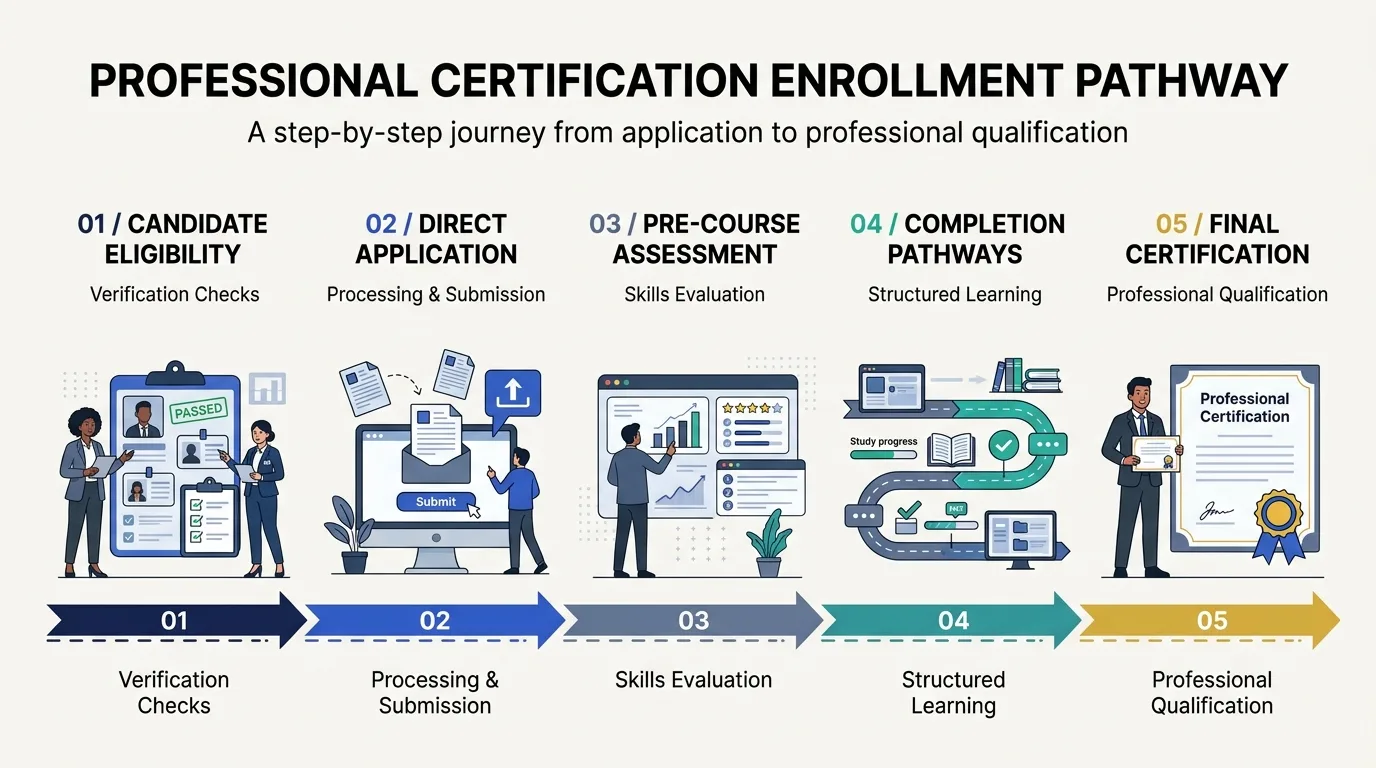
The enrollment framework maintained by Institute For Oil & Gas Training ensures that all participants meet baseline professional criteria, maintaining high classroom standards and maximizing peer-to-peer learning value.
Entry Requirements and Target Audience
This course is engineered for decision-stage professionals requiring precise operational control over corporate expenditures. Ideal candidates include:
Financial controllers, management accountants, and finance directors in energy firms.
Upstream, midstream, and downstream project managers and asset engineers.
Joint venture accounting specialists and commercial analysts.
Internal auditors, tax managers, and compliance officers.
Corporate HR learning directors building financial competence pipelines.
Prerequisites include a basic understanding of corporate financial statements or at least two years of operational experience within the oil, gas, or energy sector.
Complete Enrollment Step-by-Step
Application Submission: Submit an online registration form specifying the target delivery format (live virtual, public workshop, or corporate on-site).
Profile Verification: The admissions committee reviews candidate background data within 48 hours to confirm course suitability.
Pre-Course Diagnostic: Accepted delegates complete a self-paced diagnostic assessment to establish baseline knowledge of spending rules.
Learning Portal Access: Candidates receive pre-reading materials, accounting reference guides, and financial templates prior to session commencement.
Course Execution & Certification: Attendees complete all instruction hours, active case studies, and a final practical assessment to earn their accredited Continuing Professional Development (CPD) certificate.
Tuition and Corporate Group Pricing
Tuition fees cover all training materials, diagnostic tools, software template access, and post-course policy support. Institute For Oil & Gas Training offers tiered pricing for corporate delegations and customized multi-course training packages. Human resources managers preparing organizational upskilling initiatives can request customized fee structures and dedicated cohort schedules.
To secure your place in an upcoming public cohort or to schedule a customized on-site corporate workshop for your organization, apply for course access today.
Frequently Asked Questions
What is Oil & Gas Petroleum Budgeting & Cost Control training?
Oil & Gas Petroleum Budgeting & Cost Control training is a professional development program designed to equip financial analysts, asset managers, and project engineers with structured fiscal management skills. Offered by Institute For Oil & Gas Training, this course focuses on capital allocation, operational cost tracking, authorization for expenditure (AFE) management, and variance analysis specifically tailored to upstream and midstream operations.
Who should attend the petroleum budgeting and cost control course?
This course is designed for finance directors, project managers, cost engineers, joint venture accountants, and operations team leads working within the energy sector. Institute For Oil & Gas Training delivers this curriculum to help cross-functional corporate teams standardize cost estimation methodologies and streamline budget governance across complex asset lifecycles.
How does cost control training improve oil and gas project profitability?
Effective cost management prevents budget overruns by establishing rigorous financial control mechanisms, variance monitoring, and accurate forecasting tools during exploration and production projects. Through practical financial frameworks provided by Institute For Oil & Gas Training, professionals learn to identify cost drivers early, optimize resource allocation, and enforce joint venture compliance.
What key topics are covered in petroleum cost control courses?
Key subjects include capital and operating expenditure estimation, AFE management, field cost reporting, cash flow forecasting, and variance analysis under international accounting standards. Delegates at Institute For Oil & Gas Training gain practical experience in aligning Work Breakdown Structures (WBS) with corporate financial ledgers to maintain strict fiscal oversight.
Why is specialized budgeting training necessary for energy sector professionals?
Petroleum operations involve volatile commodity prices, high capital intensity, complex joint-venture agreements, and extended project timelines that standard accounting frameworks cannot address. The specialized Oil & Gas Petroleum Budgeting & Cost Control curriculum from Institute For Oil & Gas Training provides industry-specific decision rules to mitigate financial exposure and ensure long-term balance sheet stability.
Related training courses
Cost Control for Field Development Projects: Overrun Prevention Training Course
- Specialisation
- Oil & Gas Petroleum Budgeting & Cost Control
- Duration
- 5 days · 15 CPD hours
Cash Calls, AFEs & Work Program/Budget Control: Preparation Training Course
- Specialisation
- Oil & Gas Petroleum Budgeting & Cost Control
- Duration
- 5 days · 15 CPD hours
Cash Calls, AFEs & Work Program/Budget Control: Overruns Training Course
- Specialisation
- Oil & Gas Petroleum Budgeting & Cost Control
- Duration
- 5 days · 15 CPD hours
More articles

CAPEX vs OPEX Impact on Cost Recovery Training by Institute For Oil & Gas Training
Evaluate the CAPEX vs OPEX Impact on Cost Recovery Training by Institute For Oil & Gas Training. Learn modules, structure, outcomes, and enrollment details.
Read article →
How to Assess the Impact of CAPEX and OPEX Classification on Petroleum Cost Recovery
Learn how to assess CAPEX and OPEX classification in petroleum cost recovery. Evaluate audit risks, cash flow effects, and joint venture compliance.
Read article →
Why CAPEX and OPEX Classification Affects Cost Recovery in Oil and Gas
Learn how CAPEX and OPEX classification dictates cost recovery mechanisms, cash flow velocity, and regulatory compliance in upstream petroleum accounting.
Read article →