

The ERP Systems for Oil & Gas: Core Modules Training Course bridges critical technical and operational gaps in legacy upstream, midstream, and downstream enterprise resource planning implementations. It equips professionals to standardise data, streamline financial reporting, and integrate complex operational workflows efficiently.
Energy sector enterprises frequently struggle with fragmented data architectures, non-standardised transaction processing, and disconnected operational modules. These systemic inefficiencies stem from rapid corporate expansion, legacy IT infrastructure, and misaligned functional units across land, drilling, production, and refining divisions. When core systems fail to sync, joint venture accounting, asset maintenance, and supply chain tracking become prone to expensive manual reconciliations and compliance errors. The Institute For Oil & Gas Training developed this specialized syllabus to address operational bottlenecks by offering systematic, hands-on instruction in core enterprise module configurations. Participants systematically work through complex business scenarios, learning how enterprise resource planning architectures stabilize operational control and provide single-source data integrity across multi-tiered corporate structures.
Prior to evaluating advanced core module execution, organizational decision-makers must understand the foundational operational drivers behind enterprise software adoption. A detailed analysis of business impact can be found in our comprehensive review, Why ERP Systems Matter for Oil and Gas Finance and Operations.
Enterprise resource planning systems serve as the backbone for managing capital-intensive petroleum assets, regulatory reporting obligations, and complex multi-entity financial settlements. Without structured module integration, corporate finance and engineering teams operate in silos, leading to inaccurate operational forecasting, misallocated maintenance expenditures, and delayed audit cycles. This training course targets these exact functional vulnerabilities by instilling systematic technical competence in critical module design, data mapping, and cross-functional integration protocols.
By targeting operational friction points directly, the Institute For Oil & Gas Training delivers a rigorous learning environment designed specifically for corporate engineering, finance, and supply chain teams. Participants learn to replace disjointed spreadsheet tracking with standardized system entries, establishing audit-compliant transaction pathways for every operational asset. The curriculum guides learners through practical workflows, covering general ledger configuration, chart of accounts design, cost centre and profit centre structure, and specialized sub-ledger integration.
Why Is the ERP Systems for Oil & Gas: Core Modules Training Course Structured This Way?
This course features a progressive, module-driven structure moving from foundational architecture to advanced sub-ledger integration. The curriculum logic ensures participants master enterprise software principles step-by-step, matching real-world project phases to guarantee practical workplace application and skill mastery.
The pedagogical architecture of this training program follows a logical progression designed to mirror real-world system implementations. Enterprise software deployment requires a clear understanding of baseline financial structures before multi-tiered operational modules can be introduced. The curriculum opens with master data management and baseline financial controls, establishing a stable foundation for technical learning. As participants demonstrate proficiency in primary transaction flows, the program introduces domain-specific operations including joint venture accounting, materials management, and project systems modules. This deliberate sequence ensures learners acquire a complete, end-to-end understanding of data dependencies, prevent configuration errors, and build practical skills systematically.
Understanding how system architectures align with broader operational goals requires evaluating specific functional requirements across various enterprise applications. For a structured framework on assessing system suitability, explore How to Evaluate Core ERP Modules for Oil and Gas Business Requirements.
The structural design reflects extensive research conducted by the Institute For Oil & Gas Training across energy sector corporate environments. Enterprise software training often fails when theoretical knowledge is isolated from daily operational workflows. By aligning each module with explicit workplace activities, such as authorizations, procurement cycles, and joint-interest billings, the program ensures immediate skill transferability. Course materials utilize standardized real-world industry scenarios, enabling participants to build, test, and troubleshoot system configurations within realistic sandbox environments that mirror active corporate IT setups.
To maximize retention and technical mastery, instruction balances core enterprise architecture concepts with hands-on system interaction. Participants do not simply observe system demonstrations; they actively execute configuration scripts, resolve transactional exceptions, and map cross-module data streams. The Institute For Oil & Gas Training structures each session to enforce analytical problem-solving, requiring learners to validate system outputs against strict industry financial and operational compliance standards.
What Will Participants Learn in the Core ERP Modules Training Course?
Participants gain practical proficiency in enterprise module setup, financial sub-ledger integration, procurement controls, project tracking, and specialized joint venture accounting. The training establishes measurable capabilities in managing master data, configuring accounts, and optimizing end-to-end operational workflows.
Module 1: Enterprise Structure and Financial Core
The opening module focuses on establishing robust enterprise structures within global software platforms, such as SAP S/4HANA, Oracle Fusion, and Microsoft Dynamics 365. Participants learn the mechanics of general ledger configuration, building flexible financial frameworks capable of supporting multi-currency and multi-national operations. Detailed instruction covers chart of accounts design customized for upstream exploration and downstream refining assets. Learners configure cost centre and profit centre structure baselines to track operational expenditures, overhead distribution, and revenue generation across distinct geographic business units.
Module 2: Sub-Ledger Integration and Materials Management
This module examines how operational transactions flow into central financial ledgers through automated sub-ledger integration protocols. Participants gain practical skills in configuring the materials management module to manage inventory valuation, goods movement, and purchasing workflows for high-value oilfield equipment. The curriculum addresses master data maintenance for spare parts, raw materials, and specialized tooling, ensuring procurement activities update accounts payable and inventory sub-ledgers accurately without manual intervention.
Module 3: Project Systems and Capital Expenditure Management
Focusing on capital-intensive energy projects, this section equips learners to manage complex capital expenditure lifecycles using the project systems module. Participants configure work breakdown structures (WBS) to track costs, schedules, and resource allocation for offshore drilling rigs, pipeline construction, and refinery turnarounds. Training covers settlement rules, enabling automated transfers from capital work-in-progress (CWIP) accounts to fixed asset ledgers upon project completion.
Module 4: Joint Venture Accounting Module and Industry Applications
The final technical module addresses joint venture accounting module management, a critical requirement for shared-risk energy operations. Participants configure joint interest billing (JIB) processes, equity group definitions, and cost-sharing calculations across operating and non-operating partners. The Institute For Oil & Gas Training incorporates practical exercises where learners build cutback entries, resolve billing disputes, and automate cash call processing in full compliance with industry standards.
How Is the ERP Systems for Oil & Gas Training Course Delivered?
The course offers flexible, corporate-grade delivery formats including intensive instructor-led workshops, structured live virtual sessions, customized onsite corporate training, and hybrid learning models. All formats include direct access to dedicated sandbox environments and expert technical mentorship.
Delivery Formats and Learning Options
The Institute For Oil & Gas Training provides four distinct delivery streams engineered to accommodate organizational schedules, operational demands, and workforce locations:
Intensive Onsite Workshops: 5 days of immersive, face-to-face instruction conducted at corporate facilities or dedicated training centres.
Live Virtual Classroom: 4 weeks of structured online learning delivered in interactive, half-day modules to balance daily job responsibilities.
Customized Corporate In-House: Tailored training programs delivered directly to enterprise teams, configured around the organization's specific software environment.
Hybrid Corporate Program: A flexible combination of self-paced digital modules and live, instructor-led system practicals.
Applied Learning Methodology and Environment
Every delivery stream prioritizes practical interaction over theoretical lecture. Participants receive dedicated credentials to enterprise-grade sandbox environments running modern implementations like SAP S/4HANA, Oracle Fusion, or Microsoft Dynamics 365. Instructors guide learners through live system configurations, data load validation, and transaction processing. The Institute For Oil & Gas Training maintains a strict 1:12 instructor-to-participant ratio during practical lab sessions to ensure personalized feedback and direct technical support.
Assessment mechanisms are embedded throughout the delivery lifecycle to verify functional skill acquisition. Rather than relying on simple multiple-choice testing, the program uses practical evaluation checkpoints. Learners complete end-to-end system configuration tasks, diagnose intentionally corrupted transaction threads, and execute complex business scenarios. These rigorous evaluation methods ensure participants demonstrate job-ready competence before receiving course certification.
What Measurable Workplace Results Can Organizations Expect?
Organizations gain immediate operational benefits including shortened financial closing cycles, reduced reconciliation errors, automated joint venture billings, enhanced audit compliance, and seamless cross-departmental data visibility between finance, supply chain, and operations teams.
Quantifiable Operational Improvements
Upskilling workforce teams through this program delivers immediate, measurable performance gains across enterprise business units. Corporate finance departments report up to a 40% reduction in period-end financial closing durations due to properly configured charts of accounts and automated sub-ledger integration. By eliminating manual offline spreadsheet reconciliations, organizations minimize human data-entry errors, lower compliance risk, and ensure seamless preparation for external financial and joint venture audits.
Supply chain and project engineering management teams achieve higher operational transparency following training. Correct deployment of the materials management module reduces excess field inventory holdings by improving stock visibility across remote warehouse sites. Simultaneously, precise project systems module configurations give project managers real-time visibility into capital expenditure burn rates, preventing cost overruns on major drilling and infrastructure buildouts.
Workforce Capability and Talent Development
From a human resources and talent development perspective, this course creates sustainable internal technical capabilities. HR leaders and department heads can use the curriculum to build structured career progression pathways for systems analysts, management accountants, and operational team leads. Partnering with the Institute For Oil & Gas Training allows enterprises to establish a standardized baseline of technical expertise, ensuring internal teams manage platform upgrades, module expansions, and system optimizations efficiently without relying on external advisors.
How Does the Enrollment Process Work for Candidates and Teams?
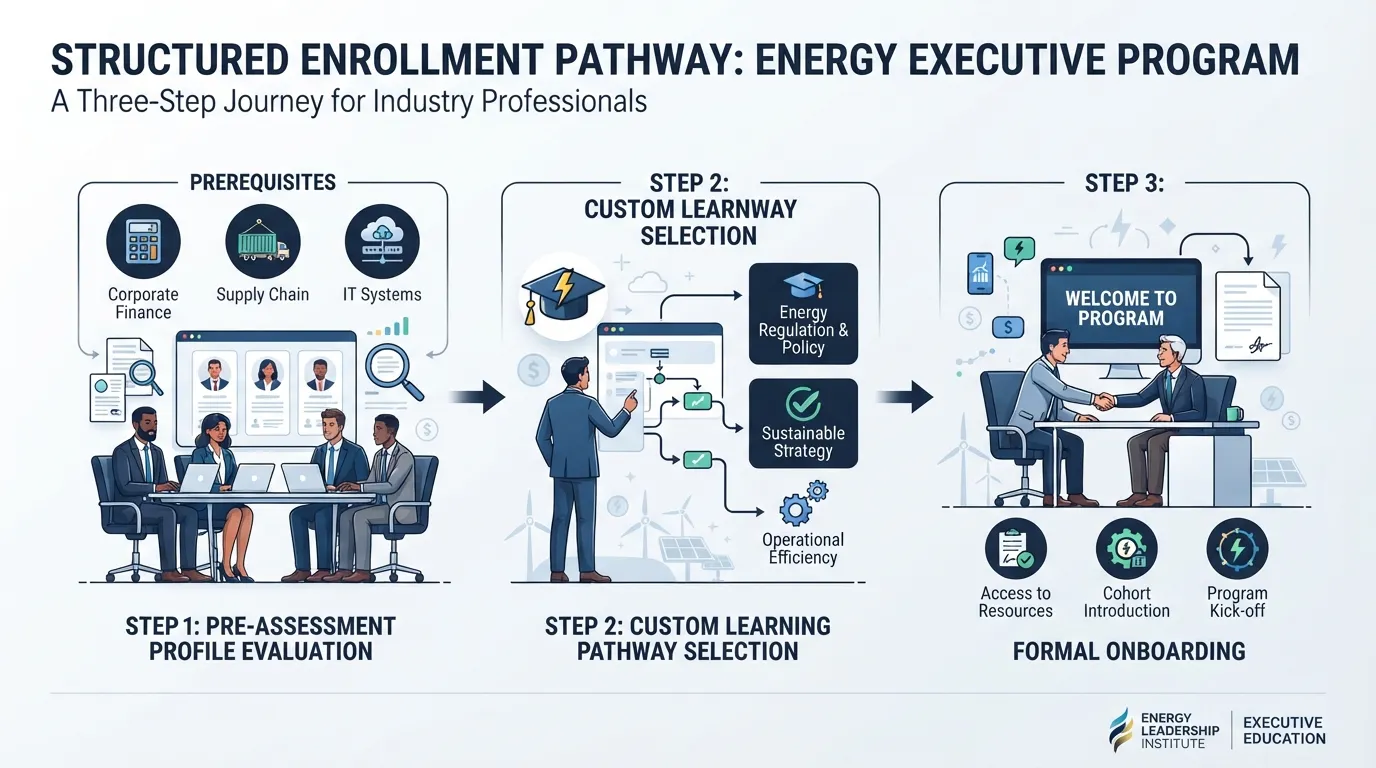
Enrollment involves a structured three-step process: pre-assessment profile evaluation, custom learning pathway selection, and formal onboarding. Prerequisites require baseline exposure to corporate finance, supply chain, or IT systems within the energy domain.
Eligibility Criteria and Prerequisites
To maintain high instructional standards, candidates should meet baseline professional criteria prior to enrollment. The course is tailored for systems analysts, financial accountants, supply chain specialists, project controllers, and IT functional leads operating within the energy sector. Applicants should possess at least two years of professional experience in corporate finance, engineering project support, or enterprise software administration. Familiarity with fundamental accounting concepts or basic supply chain workflows is highly recommended to ensure full engagement with advanced configuration exercises.
Step-by-Step Registration and Onboarding
The enrollment pathway managed by the Institute For Oil & Gas Training ensures clear participant selection and seamless administrative processing:
Application Submission: Corporate HR teams or individual applicants submit a formal candidate profile detailing current job responsibilities and enterprise software experience.
Skill Gap Pre-Assessment: The institute conducts a brief technical evaluation to establish baseline knowledge and recommend appropriate pre-course reading materials.
Registration and System Provisioning: Upon acceptance, candidates receive confirmed course schedules, software sandbox credentials, and access to preparatory course documentation.
Program Onboarding: Participants attend an initial orientation session to verify software access, complete environment setup tests, and review module timelines with lead instructors.
Upon successful completion of all practical assessment checkpoints and scenario evaluations, participants earn a recognized professional credential validating their core module competence. Organizations looking to upskill technical teams, eliminate operational data silos, and establish enterprise software excellence are encouraged to enroll in this program today.
Frequently Asked Questions
What is oil and gas petroleum digital finance and automation?
Oil and gas petroleum digital finance and automation involves integrating advanced technologies like robotic process automation, artificial intelligence, and cloud financial systems into upstream, midstream, and downstream financial operations. The Institute For Oil & Gas Training delivers specialized instruction on this topic to streamline complex accounting workflows, joint interest billing, and audit processes. Implementing these digital solutions eliminates manual reconciliations and improves overall financial reporting accuracy across capital-intensive energy assets.
How does financial automation benefit petroleum and energy companies?
Financial automation speeds up month-end closing cycles, minimizes human transaction errors, and lowers compliance risks for enterprise energy organizations. Courses from the Institute For Oil & Gas Training demonstrate how automating core sub-ledgers and joint venture accounting workflows provides real-time cash flow visibility and cost control. Consequently, finance teams transition from manual data entry to strategic analysis and corporate performance management.
Who should enroll in an oil and gas petroleum digital finance training course?
This professional development program is designed for enterprise finance managers, management accountants, systems analysts, and corporate IT teams in the energy sector. Through structured training at the Institute For Oil & Gas Training, participants master software configurations and digital automation frameworks tailored to petroleum finance. The curriculum benefits professionals seeking to lead digital transformation initiatives within their organizations.
What key skills are covered in digital finance and automation training for the energy sector?
Participants develop practical capabilities in automated general ledger reconciliations, digital joint venture accounting, predictive financial modeling, and ERP sub-ledger integration. The Institute For Oil & Gas Training emphasizes hands-on software interaction, data governance standards, and automated invoice processing tailored to oilfield procurement. These skills ensure learners can build scalable, audit-ready financial frameworks for complex energy projects.
How does digital finance automation improve joint venture accounting in the oil industry?
Automating joint venture accounting standardizes cost allocation algorithms, streamlines cutback calculations, and accelerates joint interest billing statement delivery to operating partners. The Institute For Oil & Gas Training teaches professionals how to configure digital finance workflows that minimize partner disputes and cash call delays. This automated approach ensures transparent audit trails and strict adherence to international joint operating agreements.
Related training courses
ERP Systems for Oil & Gas Implementation Training Course
- Specialisation
- Oil & Gas Petroleum Digital Finance & Automation
- Duration
- 5 days · 15 CPD hours
Data Governance & Master Data: Ownership & Standards Training Course
- Specialisation
- Oil & Gas Petroleum Digital Finance & Automation
- Duration
- 5 days · 15 CPD hours
Data Governance & Master Data: Vendor & Well Training Course
- Specialisation
- Oil & Gas Petroleum Digital Finance & Automation
- Duration
- 5 days · 15 CPD hours
More articles
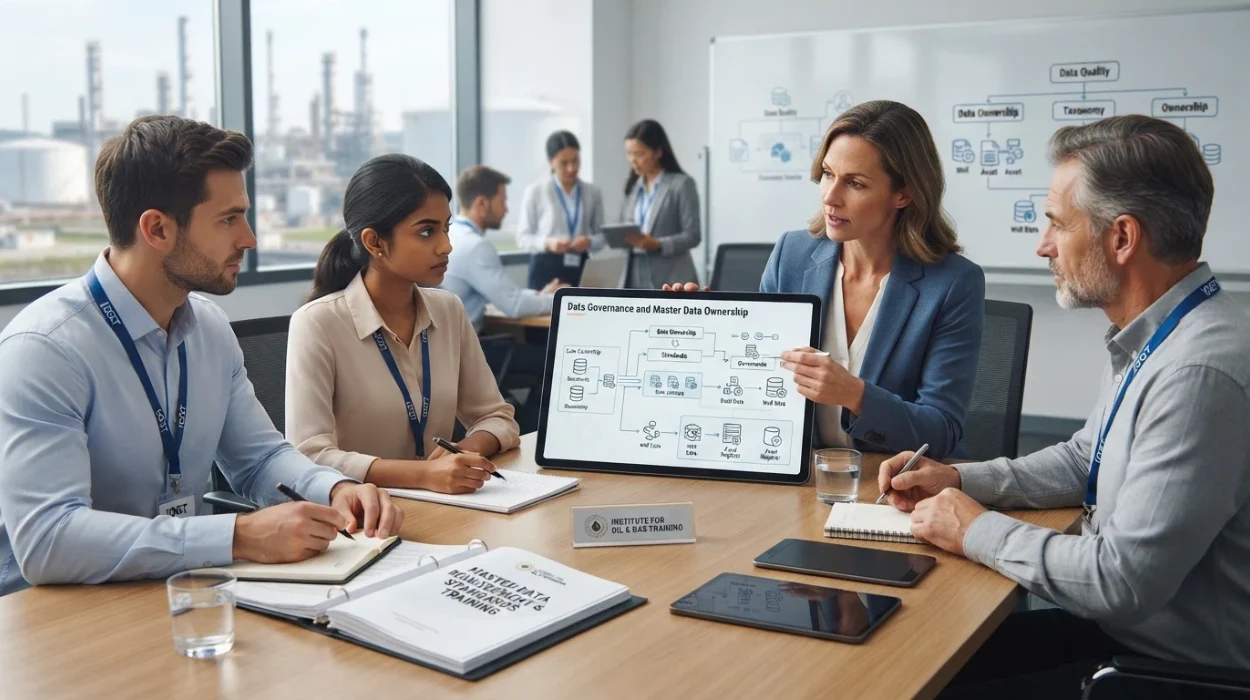
Data Governance and Master Data Ownership and Standards Training by Institute For Oil & Gas Training
Evaluate the Data Governance & Master Data Ownership & Standards Training Course syllabus, delivery, outcomes, and enrollment requirements.
Read article →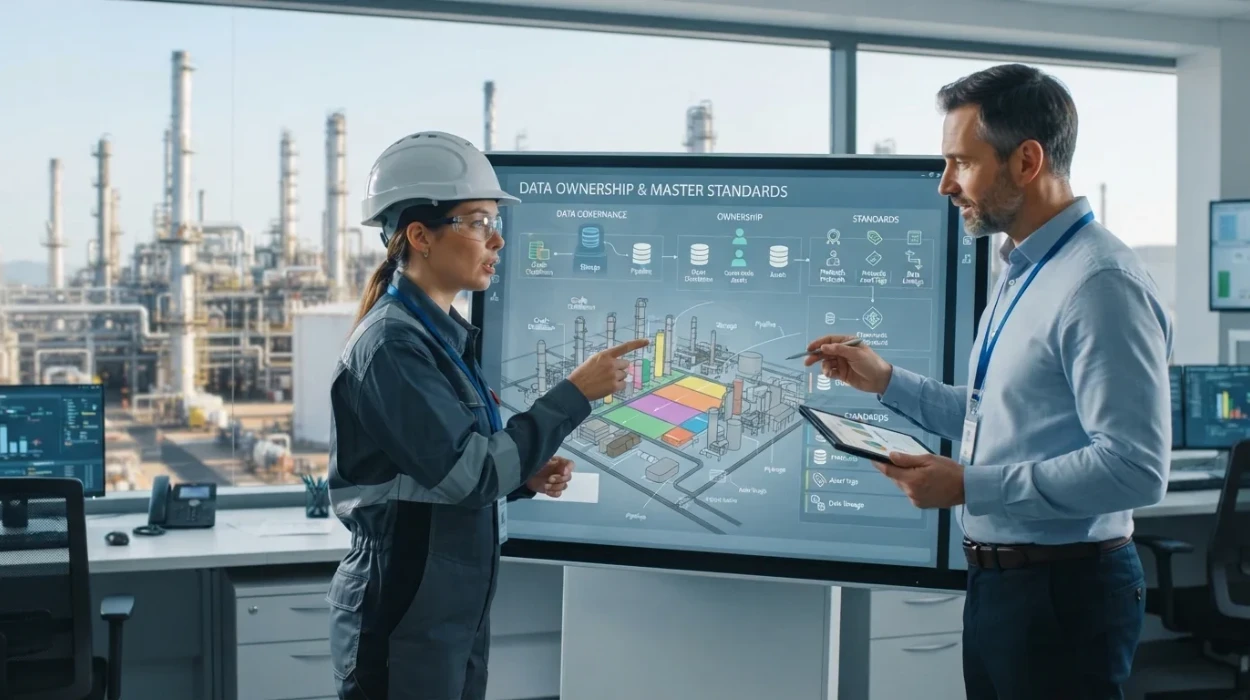
How to Define Data Ownership and Master Data Standards for Petroleum Operations
Learn how petroleum operations define data ownership, establish master data management standards, and improve data governance frameworks.
Read article →
Why Data Governance and Master Data Standards Matter in Oil and Gas
Learn why data governance and master data standards transform petroleum operations, resolve enterprise risk, and drive ROI across global energy assets.
Read article →