
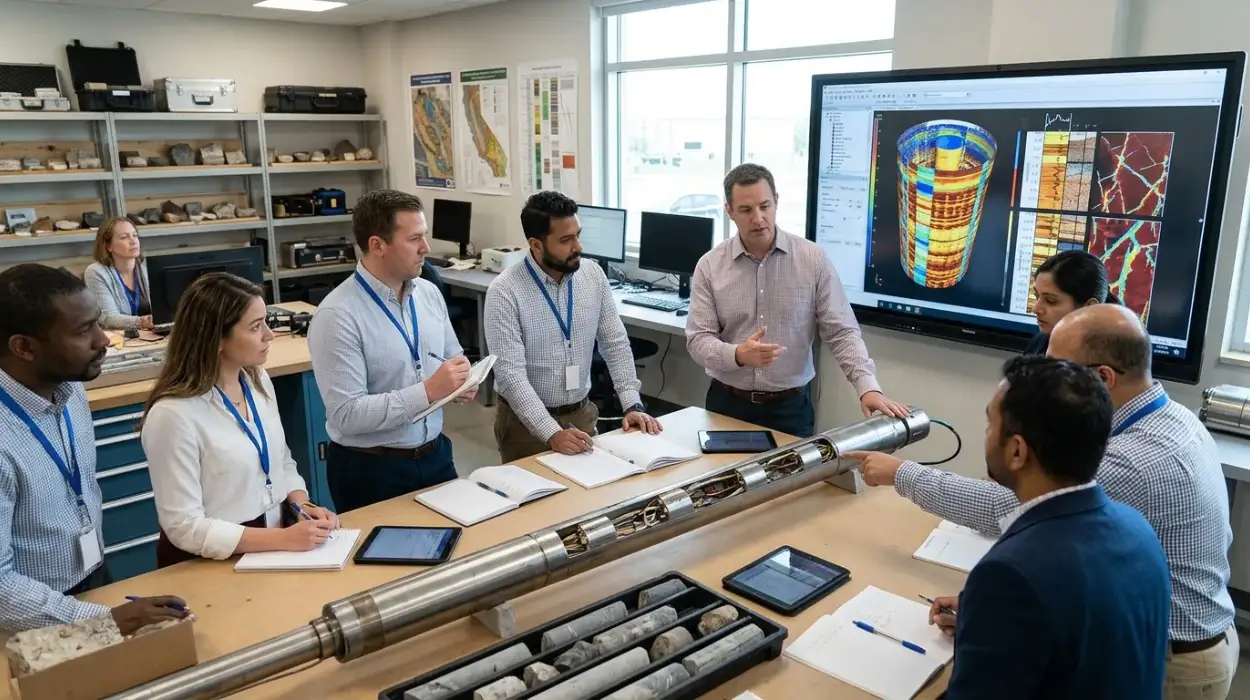
In modern petroleum exploration and geothermal reservoir characterisation, understanding subsurface formations at micro-meter to meter scales is essential for mitigating drilling risks and optimising hydrocarbon recovery. Traditional open-hole logs often lack the vertical resolution required to identify subtle structural laminations, complex fracture networks, and heterogeneous lithofacies. To build foundational awareness of these subsurface complexities, professionals frequently review foundational literature such as How Electrical Borehole Imaging Improves Subsurface Geological Understanding.
Bridging the gap between raw wireline data and actionable reservoir models requires structured, professional training. The Electrical Borehole Imaging Technologies Training Course provided by the Institute For Oil & Gas Training addresses this exact technical deficit. By focusing on rigorous electrical logging measurements and advanced interpretation frameworks, the Institute For Oil & Gas Training prepares multidisciplinary engineering and geoscience teams to execute high-precision formation evaluation.
What is the Electrical Borehole Imaging Technologies Training Course and what operational challenges does it resolve?
The Electrical Borehole Imaging Technologies Training Course is a professional program designed by the Institute For Oil & Gas Training to resolve critical subsurface interpretation gaps by equipping subsurface teams with advanced resistivity image logging and borehole image acquisition mastery.
Subsurface Interpretation Gaps and Structural Complexities
Subsurface evaluation teams frequently encounter complex geological environments where conventional wireline logs yield ambiguous results. Thin-bedded reservoirs, fractured carbonates, and complex sedimentary dips often defy standard petrophysical evaluation techniques. Without high-resolution imaging, asset teams struggle to accurately quantify net pay intervals, fracture aperture distributions, and anisotropic stress regimes. These interpretation uncertainties directly impact well placement strategies, completion design efficiency, and ultimate recovery factors across mature and frontier assets alike.
The Role of Institute For Oil & Gas Training in Competency Development
To eliminate these technical vulnerabilities, the Institute For Oil & Gas Training develops rigorous training frameworks that translate advanced borehole imaging concepts into standardized operational workflows. The curriculum is engineered to transition technical personnel from passive data observers to active, analytical interpreters. By standardising interpretation methodologies across departments, the Institute For Oil & Gas Training enables organisations to build cohesive internal competencies that reduce geological risk and enhance asset valuation accuracy.
Addressing Technical Deficits in Wireline Logging Operations
Field operations present constant challenges related to tool standoff, pad-contact degradation, mud resistivity variations, and borehole enlargement. When logging engineers and petrophysicists lack deep familiarity with tool string mechanics and environmental corrections, data quality degrades. The training program explicitly targets these operational failure points. Participants examine real-world logging anomalies, learn how tool design influences current distribution, and master the quality control protocols required to validate raw measurements before interpretation begins.
Why is the curriculum structured around progressive microimager evaluation and log interpretation?
The curriculum follows a structured learning progression from fundamental principles to complex geological interpretation, ensuring subsurface engineers systematically master electrical imaging tools, formation microimager mechanics, and high resolution data processing standards required for accurate petroleum and geothermal reservoir characterisation.
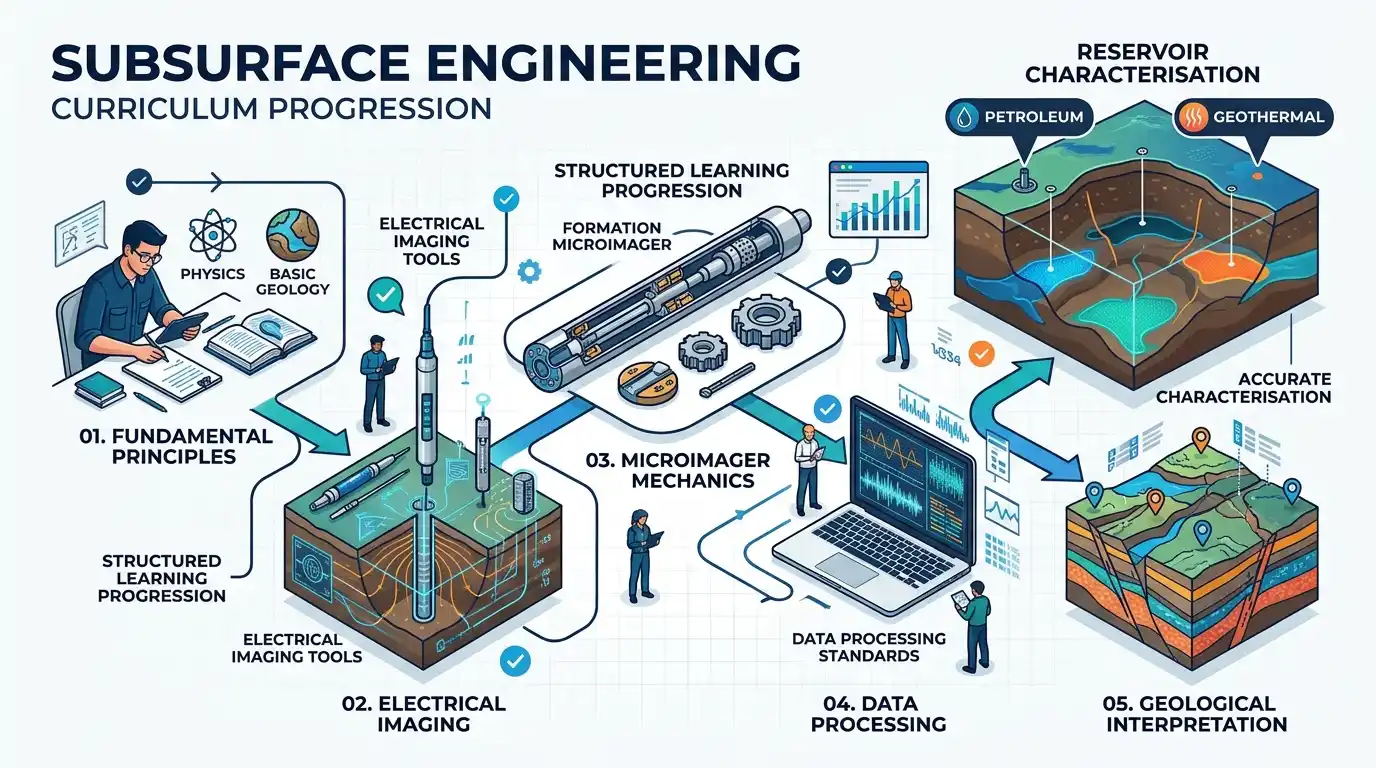
Foundational Physics of Resistivity Image Logging
Effective log interpretation requires a thorough comprehension of the underlying physical principles governing electrical imaging tools. Participants begin by studying micro-resistivity array physics, focusing on how emitted currents penetrate formation micro-structures and how voltage drops are translated into high-resolution visual representations of borehole walls. Understanding pad placement mechanics, electrode array configurations, and button current partitioning is essential for distinguishing true formation features from borehole-induced artifacts or tool-induced noise.
Integrating Evaluation Standards into Technical Frameworks
Evaluating advanced formation evaluation technology requires systematic benchmarking against operational objectives and data quality standards. When comparing imaging methodologies or assessing service quality, technical leaders often review literature such as How to Evaluate Electrical Borehole Imaging Technologies and Their Applications in Formation Analysis. This structured evaluation approach ensures that asset teams select the most appropriate logging suites and processing parameters for specific lithological targets, maximising the return on data acquisition expenditures.
Pedagogical Rationale Behind Module Sequencing
The pedagogical architecture established by the Institute For Oil & Gas Training relies on a scaffolded learning model. Each module builds directly upon the competencies acquired in the preceding session. Initial theoretical constructs regarding tool physics transition smoothly into data processing algorithms, followed by workstation-based structural interpretation. This deliberate sequencing prevents cognitive overload and ensures that participants solidify their practical understanding at every stage of the professional development journey.
What specific learning modules and technical skill progressions comprise the syllabus?
Participants progress through intensive modules covering borehole image acquisition, FMI technology mechanics, micro-resistivity array calibration, pad-contact tool positioning, structural dip computation, fracture identification, and sedimentological feature analysis tailored specifically for multidisciplinary petroleum engineering and geoscience teams.
Module 1: Hardware Architecture and Borehole Image Acquisition
The initial syllabus phase focuses heavily on hardware deployment and data acquisition parameters. Participants examine tool string configurations, pad articulation mechanisms, and centralisation strategies necessary to maintain optimal borehole wall contact. Instructors demonstrate how mud type selection, salinity contrasts, and logging speed directly influence signal-to-noise ratios. By mastering acquisition quality control, participants learn how to prevent common logging failures and secure pristine primary data sets during active drilling campaigns.
Module 2: Advanced Processing of Electrical Logging Measurements
Raw electrical logging measurements require rigorous data processing before geological interpretation can commence. This module covers speed correction algorithms, button current normalisation, depth-matching techniques, and image orientation processing. Participants learn how to apply static and dynamic normalisation filters to highlight subtle textural variations and structural features. The Institute For Oil & Gas Training emphasizes hands-on workstation practice, ensuring engineers can independently execute complete data conditioning workflows on complex datasets.
Module 3: Structural and Textural Interpretation Workflows
The final instructional phase trains participants to extract maximum geological value from processed images. Geoscientists learn how to pick sinusoidal traces corresponding to planar structural features, compute formation dip angles, and construct comprehensive structural cross-sections. Furthermore, the curriculum covers the differentiation of natural open fractures, mineralised fractures, and drilling-induced tensile fractures. Sedimentological features such as cross-bedding, bioturbation, and lithofacies boundaries are analyzed to reconstruct depositional environments and paleocurrent directions.
How is the training delivered to accommodate demanding corporate schedules and operational constraints?
Delivered through flexible formats including intensive onsite workshops, interactive virtual classrooms, and hybrid corporate cohorts, the Electrical Borehole Imaging Technologies Training Course ensures minimal operational disruption while maintaining active practical workstation exercises led by experienced industry experts across global markets.
Flexible Delivery Modes for Global Corporate Teams
Corporate clients operate within demanding project timelines, making flexible training delivery an operational necessity. The Electrical Borehole Imaging Technologies Training Course is structured to accommodate international oil and gas operators through modular onsite delivery at corporate facilities, dedicated virtual instructor-led sessions across multiple time zones, and hybrid learning pathways. This flexibility allows engineering departments to upskill personnel without compromising active field operations or ongoing asset development projects.
Workstation Simulations and Practical Tool Calibration
Theoretical knowledge is reinforced through extensive workstation simulations replicating real subsurface conditions. Participants work with industry-standard interpretation software packages to process blinded datasets containing typical field artifacts, challenging borehole conditions, and complex fault networks. These practical exercises, curated by veteran instructors at the Institute For Oil & Gas Training, ensure that learning translates directly into confident, independent execution upon return to the workplace.
Instructor-Led Technical Mentorship at Institute For Oil & Gas Training
Throughout the training lifecycle, participants receive direct, individualized technical mentorship from industry veterans. Instructors bring decades of practical wireline logging and formation evaluation experience to the classroom, providing immediate feedback on interpretation pitfalls and methodological nuances. This high-touch mentorship model, championed by the Institute For Oil & Gas Training, accelerates competency acquisition far beyond what self-guided study or generic online tutorials can achieve.
What measurable workplace results and operational performance improvements can organizations expect?
Organizations achieve measurable improvements in hydrocarbon recovery accuracy, reduced log interpretation error rates, enhanced fracture network characterisation, and accelerated decisions for drilling teams, directly elevating asset valuation and departmental technical competency across enterprise technical asset portfolios managed by corporate leaders.
Quantifiable Skill Gains for Geoscientists and Petrophysicists
Upon completion of the Electrical Borehole Imaging Technologies Training Course, technical personnel exhibit measurable gains in analytical speed and interpretation accuracy. Turnaround times for log-derived structural models decrease significantly, while error rates in fracture identification and net pay estimation drop. These technical improvements empower petrophysicists and geologists to deliver higher-confidence reservoir characterisation reports that withstand rigorous peer review and audit scrutiny.
Real-World Workplace Application in Asset Teams
Trained professionals return to their respective operating assets equipped to integrate image log data directly into static earth models and geomechanical simulations. Multidisciplinary asset teams benefit immediately through improved wellbore stability assessments, more accurate permeability estimations in complex carbonates, and refined sweet-spot identification in unconventional shale plays. The practical orientation of the Institute For Oil & Gas Training ensures that every module addresses authentic engineering and geoscience challenges faced by corporate departments daily.
Leadership Pipelines and Technical Mastery at Institute For Oil & Gas Training
Beyond immediate technical task execution, structured professional development fosters robust internal leadership pipelines. By establishing standardized technical baselines across multidisciplinary departments, the Institute For Oil & Gas Training helps organisations cultivate senior subject matter experts capable of mentoring junior staff. This institutional knowledge retention safeguards operational continuity and reinforces technical excellence across enterprise portfolios.
What are the eligibility criteria, entry requirements, and enrollment decision process?
Designed for practicing geologists, petrophysicists, reservoir engineers, and technical team leads, enrollment requires a foundational background in subsurface evaluation, basic wireline logging comprehension, and organizational sponsorship or individual commitment to rigorous technical competency development standards established for engineering professionals today.
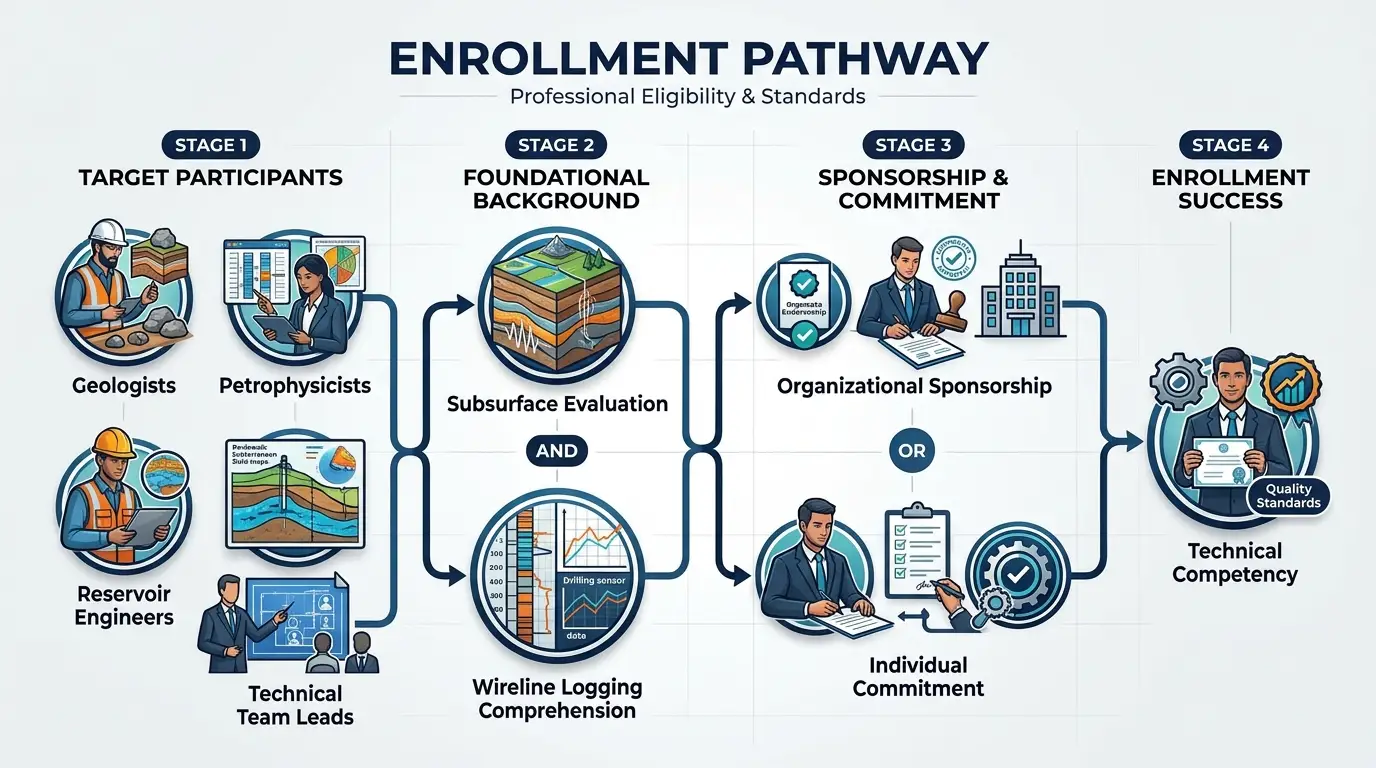
Prerequisite Technical Competencies and Professional Background
To ensure optimal learning outcomes for all cohort participants, candidates should possess a relevant degree in geoscience, petroleum engineering, or a related technical discipline. A working familiarity with open-hole wireline logging concepts, basic petrophysical principles, and subsurface structural geology is required. While advanced software proficiency is not mandatory prior to attendance, participants must demonstrate an active professional engagement in subsurface evaluation, exploration, or reservoir development workflows.
Corporate Onboarding and Team Registration Pathways
Organisations seeking to upskill entire technical departments can utilise streamlined corporate onboarding pathways managed by dedicated account coordinators. Human resources and technical training managers can coordinate group bookings, schedule customized cohort dates, and track participant progress through standardized assessment milestones. Individual professionals may also apply independently by submitting their technical CV and statement of professional intent through the institutional registration portal.
Finalising Your Enrollment in the Electrical Borehole Imaging Technologies Training Course
Securing placement in upcoming training cohorts requires completing the online registration form and verifying prerequisite compliance with the admissions committee. For technical leaders and corporate departments ready to eliminate interpretation ambiguity and elevate subsurface asset performance, enroll in this program to secure your team's access today.
Frequently Asked Questions
What is oil & gas borehole imaging and why is it used?
Oil & gas borehole imaging is an advanced wireline and logging-while-drilling technique used to capture high-resolution, 360-degree visual representations of subsurface wellbore walls. Asset evaluation teams utilise oil & gas borehole imaging to accurately assess structural dips, detect natural fractures, and analyse lithological variations that conventional logs may overlook.
How do electrical resistivity tools function in oil & gas borehole imaging?
Electrical resistivity systems deployed during oil & gas borehole imaging use pad-mounted arrays of button electrodes to measure micro-conductivity variations across the formation face. These recorded electrical signals are processed into detailed, photograph-like visual logs that reveal subtle bedding planes and mineralogical textures. Programmes provided by the Institute For Oil & Gas Training detail these physical mechanics extensively.
What geological features can be identified through oil & gas borehole imaging?
Oil & gas borehole imaging enables geoscientists to identify tectonic, sedimentary, and diagenetic features including faults, open fractures, laminations, and breakout orientations. Analysing these high-resolution details supports precise reservoir characterisation and improves geomechanical modelling reliability.
How does the Institute For Oil & Gas Training structure its training in oil & gas borehole imaging?
The Institute For Oil & Gas Training delivers structured curriculum pathways that progress from fundamental tool physics and data acquisition quality control to advanced workstation interpretation. These courses are designed to help corporate engineering and geoscience teams eliminate interpretation ambiguity and enhance operational decision-making.
What mud system requirements apply to electrical oil & gas borehole imaging?
Electrical resistivity-based oil & gas borehole imaging tools require a conductive borehole environment, typically provided by water-based mud systems, to successfully pass current into the formation. When operators use non-conductive oil-based drilling fluids, alternative acoustic or ultrasonic imaging options are deployed to acquire usable wellbore data.
Related training courses
Acoustic Borehole Imaging Technologies Training Course
- Specialisation
- Oil & Gas Borehole Imaging
- Duration
- 5 days · 15 CPD hours
Borehole Image Interpretation for Paleocurrent Analysis Training Course
- Specialisation
- Oil & Gas Borehole Imaging
- Duration
- 5 days · 15 CPD hours
Borehole Image Applications for Reservoir Characterization Training Course
- Specialisation
- Oil & Gas Borehole Imaging
- Duration
- 5 days · 15 CPD hours
More articles
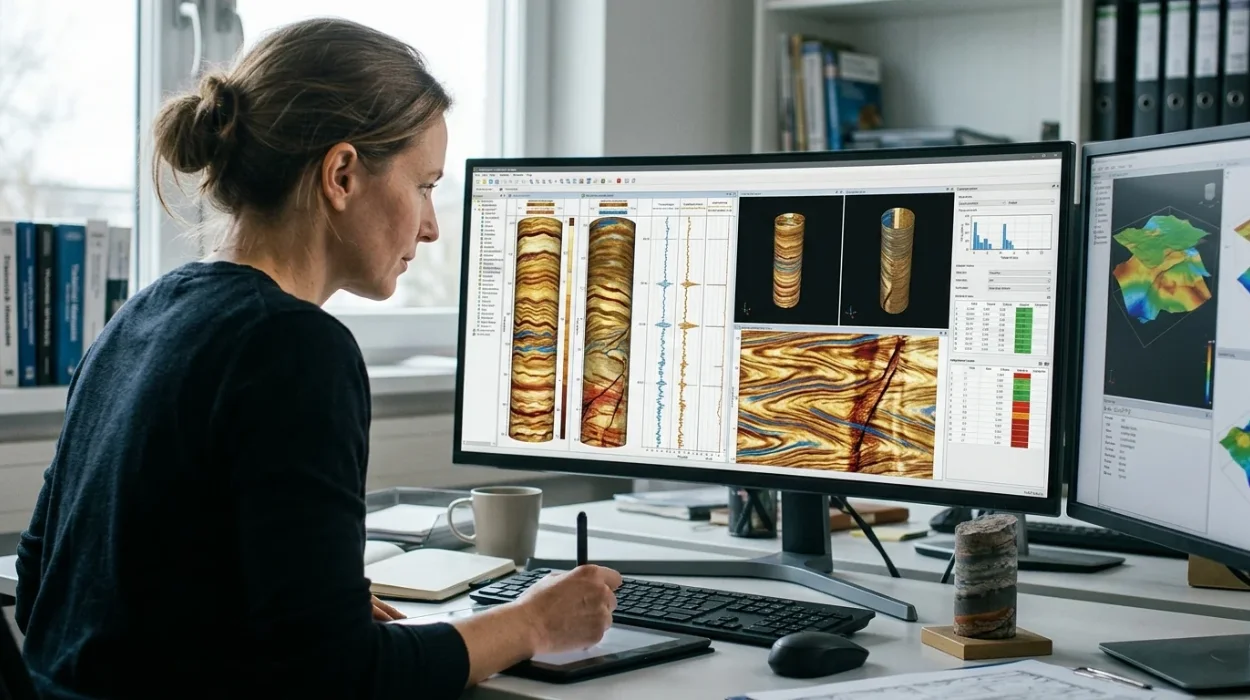
How to Evaluate Electrical Borehole Imaging Technologies and Their Applications in Formation Analysis
Master how to evaluate electrical borehole imaging technologies formation microimagers and resistivity logging tools for advanced subsurface analysis.
Read article →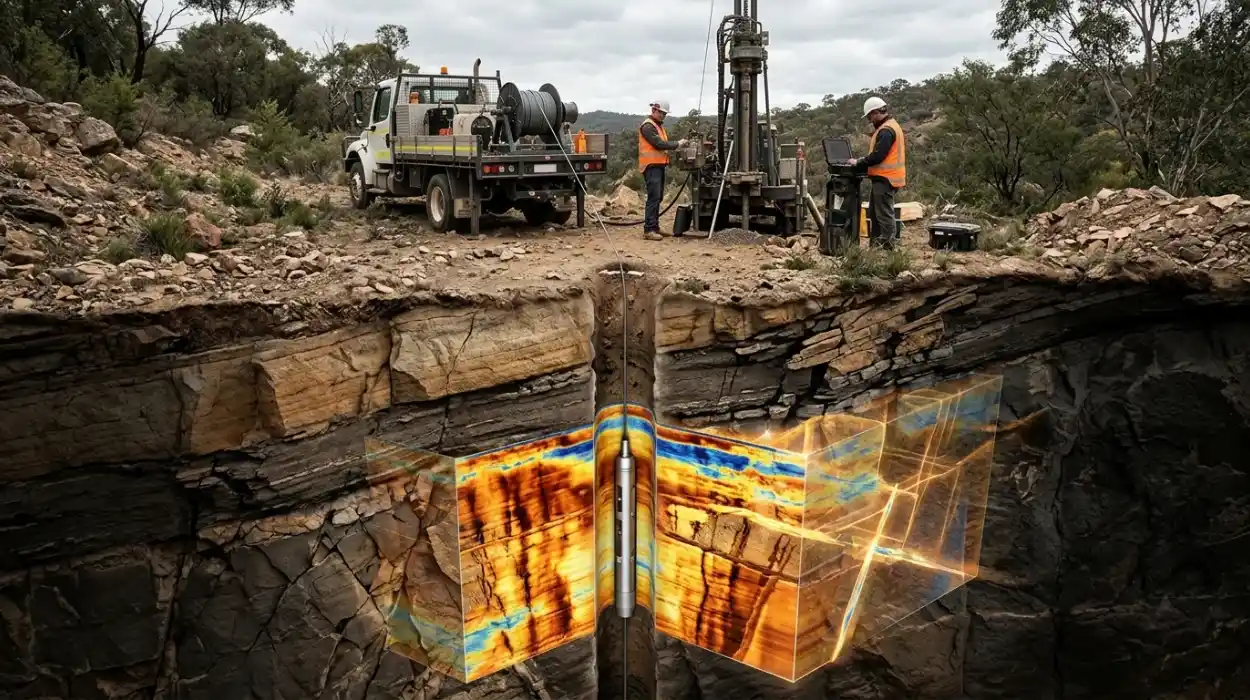
How Electrical Borehole Imaging Improves Subsurface Geological Understanding
Learn how electrical borehole imaging improves subsurface geological understanding and workforce competency through structured corporate technical training.
Read article →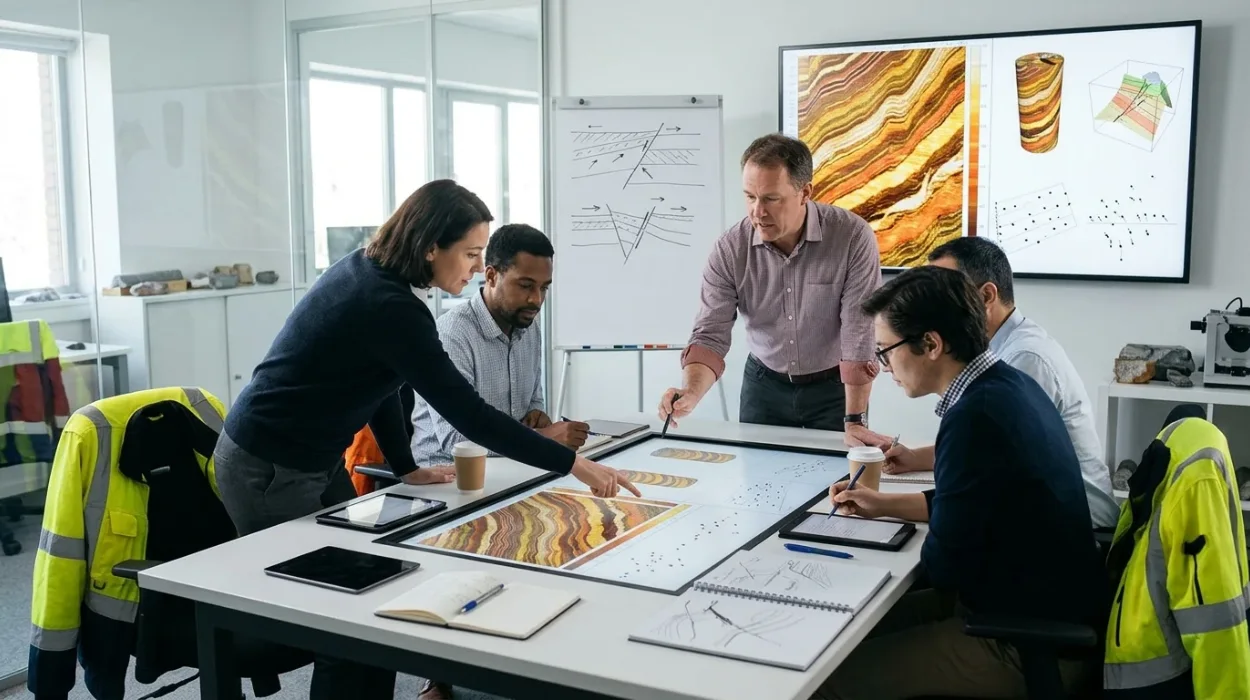
Dipmeter and Image Log Applications Training by Institute For Oil & Gas Training
Enrol in the Dipmeter and Image Log Applications Training Course by Institute For Oil & Gas Training to master structural dip and borehole image analysis.
Read article →