
This professional training program resolves complex financial reporting deficiencies in the extractive sector by providing technical mastery of international accounting standards, precise disclosure mechanics, and policy alignment strategies.
Navigating the financial reporting landscape in the petroleum sector requires deep technical precision. Traditional accounting frameworks often fail to address the unique commercial, operational, and regulatory realities of resource extraction. Professionals frequently grapple with complex accounting policy selection under the IFRS framework, where standard interpretations do not offer explicit, line-item directives for every upstream scenario. When dealing with specialized operations, finance teams encounter significant industry specific guidance gaps. These gaps create discrepancies in financial statements, exposing organizations to regulatory scrutiny, audit adjustments, and diminished investor confidence.
Organizations operating across international borders must transition from legacy reporting systems to standardized global frameworks. This transition demands rigorous technical expertise in handling first time adoption challenges and managing differences inherent in IFRS versus national GAAP comparisons. Without structured training, accounting departments struggle to apply proper materiality judgement when evaluating exploration and evaluation expenditures, asset retirement obligations, and impairment testing.
Furthermore, volatile commodity markets place immense pressure on finance teams to execute an accurate going concern assessment. Executives, financial controllers, and accounting teams need actionable competence to resolve these systemic hurdles. The IFRS for Oil & Gas Entities Fundamentals Training Course offered by Institute For Oil & Gas Training is engineered to eliminate these vulnerabilities.
Before committing to this professional program, finance professionals and HR leaders can review foundational sector complexities outlined in Why IFRS Matters for Oil Companies and Their Financial Reporting to understand the macro drivers of regulatory compliance. By bridging technical competency gaps, this curriculum ensures that internal finance divisions produce audit-ready, transparent, and compliant financial statements that satisfy global regulatory bodies and institutional stakeholders.
Why is this course structured this way?
The curriculum follows a logical technical progression that builds from high-level regulatory frameworks down to granular accounting policies, ensuring participants master foundational mechanics before tackling advanced extractive reporting challenges.
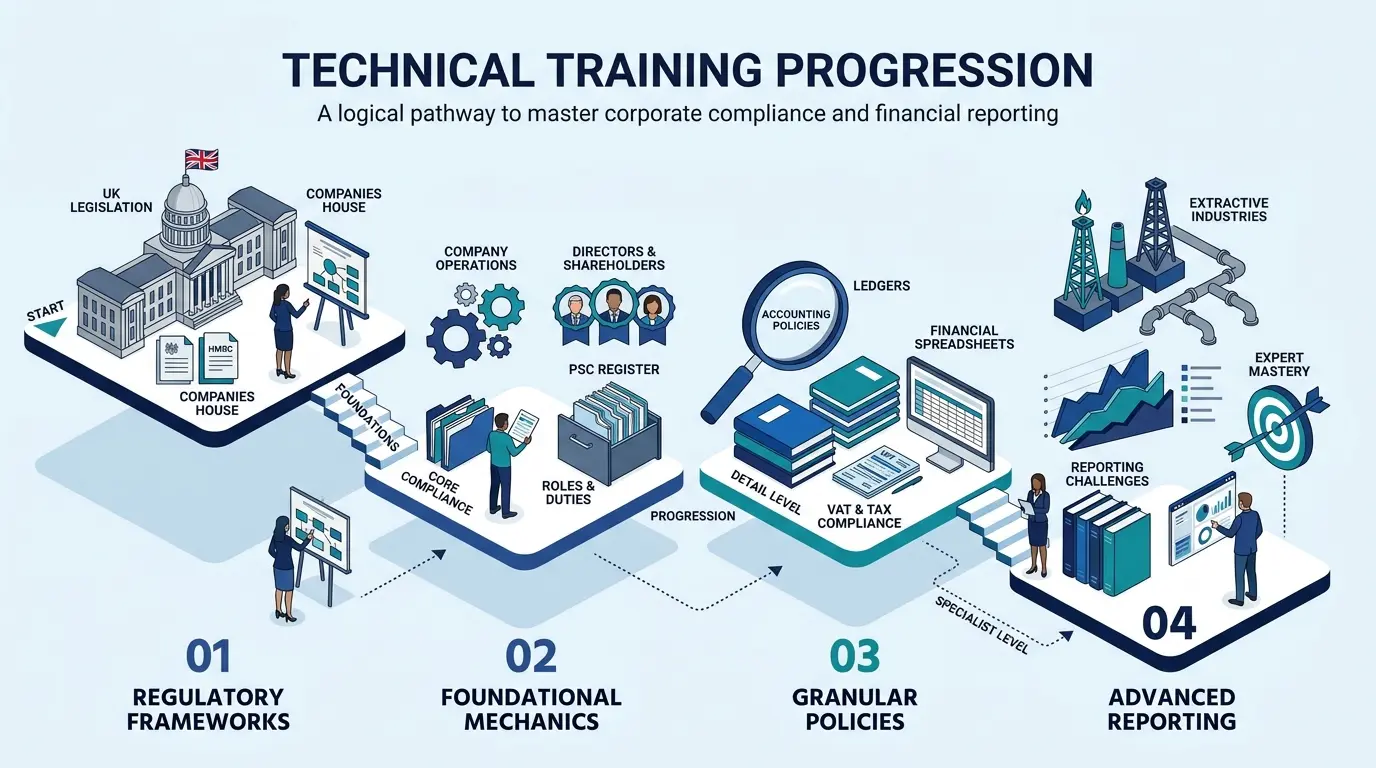
The pedagogical design of the IFRS for Oil & Gas Entities Fundamentals Training Course reflects modern cognitive learning models and adult professional education theory. Delivering technical accounting training requires an architecture that mirrors the actual lifecycle of a petroleum asset. Institute For Oil & Gas Training structures every module to connect theoretical standard requirements with practical corporate reporting workflows.
Participants begin by establishing a firm grasp of regulatory structures, moving progressively through exploration, development, production, and decommissioning accounting treatments. This modular progression prevents cognitive overload. It allows finance professionals to absorb complex reporting rules sequentially.
When evaluating whether to advance internal skill sets, accounting managers often analyze operational bottlenecks detailed in Key IFRS Financial Reporting Challenges for Oil and Gas Companies. These comparative evaluations highlight why a structured educational intervention is necessary.
By utilizing case-based problem solving, Institute For Oil & Gas Training ensures that accounting personnel do not merely memorize standard clauses. Instead, they learn how to formulate defensible accounting policies aligned with corporate governance standards. The learning architecture embeds regular knowledge checks and applied calculations. This setup guarantees that participants can immediately translate abstract standards into compliant journal entries and disclosures when they return to their desks.
What will participants learn?
Participants achieve complete operational proficiency in specialized petroleum accounting, mastering technical standard applications, impairment evaluations, and comprehensive disclosure mechanics for upstream and midstream assets.
The technical syllabus of the IFRS for Oil & Gas Entities Fundamentals Training Course covers every critical domain of petroleum financial reporting. The curriculum is divided into focused modules designed to yield measurable professional development outcomes.
Module 1: Regulatory Foundations and Framework Scope
Participants analyze the jurisdictional boundaries of international reporting standards. The module examines standard applicability to extractive activities, focusing on how entities establish accounting policies in the absence of explicit industry guidance. Learners explore the nuances of accounting policy selection to ensure consistency across reporting periods.
Module 2: Exploration and Evaluation Accounting
This segment addresses the specific accounting treatment for mineral resource exploration costs. Professionals evaluate capitalization criteria versus expensing methods. The module reviews the ongoing International Accounting Standards Board extractive activities project developments to prepare corporate reporting teams for upcoming regulatory amendments.
Module 3: Development, Production, and Depletion
Learners examine the mechanics of moving from evaluation to commercial production. This module covers asset capitalization, development expenditure classification, and unit-of-production depreciation calculations. Participants practice applying complex depletion formulas across varying reserve classifications.
Module 4: Impairment Testing and Asset Retirement Obligations
Participants navigate the rigorous asset impairment rules applicable to cash-generating units in the energy sector. The curriculum covers the recognition, measurement, and discounting of decommissioning provisions and site restoration liabilities. Trainees calculate present value adjustments and analyze the impact of discount rate shifts on financial statements.
Module 5: Comprehensive Disclosure Mechanics and Reporting
The final technical module focuses on transparency, qualitative disclosures, and quantitative note requirements. Participants learn how to construct clear note disclosures that satisfy complex disclosure requirements without exposing proprietary commercial data. This segment reinforces rigorous materiality standards to protect corporate governance integrity.
How is the course delivered?
Training is delivered through flexible hybrid formats combining live technical workshops, digital simulation labs, and onsite corporate cohorts managed directly by Institute For Oil & Gas Training.
Professional development schedules demand versatile delivery modalities. Institute For Oil & Gas Training offers multiple enrollment formats to accommodate busy corporate calendars and international participant locations.
Intensive Virtual Workshops: Live, instructor-led online sessions featuring real-time collaborative problem-solving and interactive Q&A segments with industry subject matter experts.
Onsite Corporate Delivery: Customized training programs deployed directly at corporate headquarters or regional offices for integrated team capacity building.
Blended Hybrid Access: A combination of self-paced digital learning modules paired with scheduled live technical masterclasses to reinforce difficult accounting concepts.
Simulated Practical Labs: Hands-on computational exercises utilizing standardized corporate reporting templates and financial statement models.
Every delivery format utilized by Institute For Oil & Gas Training incorporates rigorous assessment mechanisms. Participants complete diagnostic pre-assessments, module-specific knowledge checks, and a comprehensive final practical simulation. These evaluations ensure that skill acquisition is verified, measurable, and directly applicable to daily corporate accounting operations.
What results can be expected?
Participants achieve immediate operational readiness, enabling corporate finance teams to eliminate reporting errors, streamline audit cycles, and ensure full compliance with international regulatory mandates.
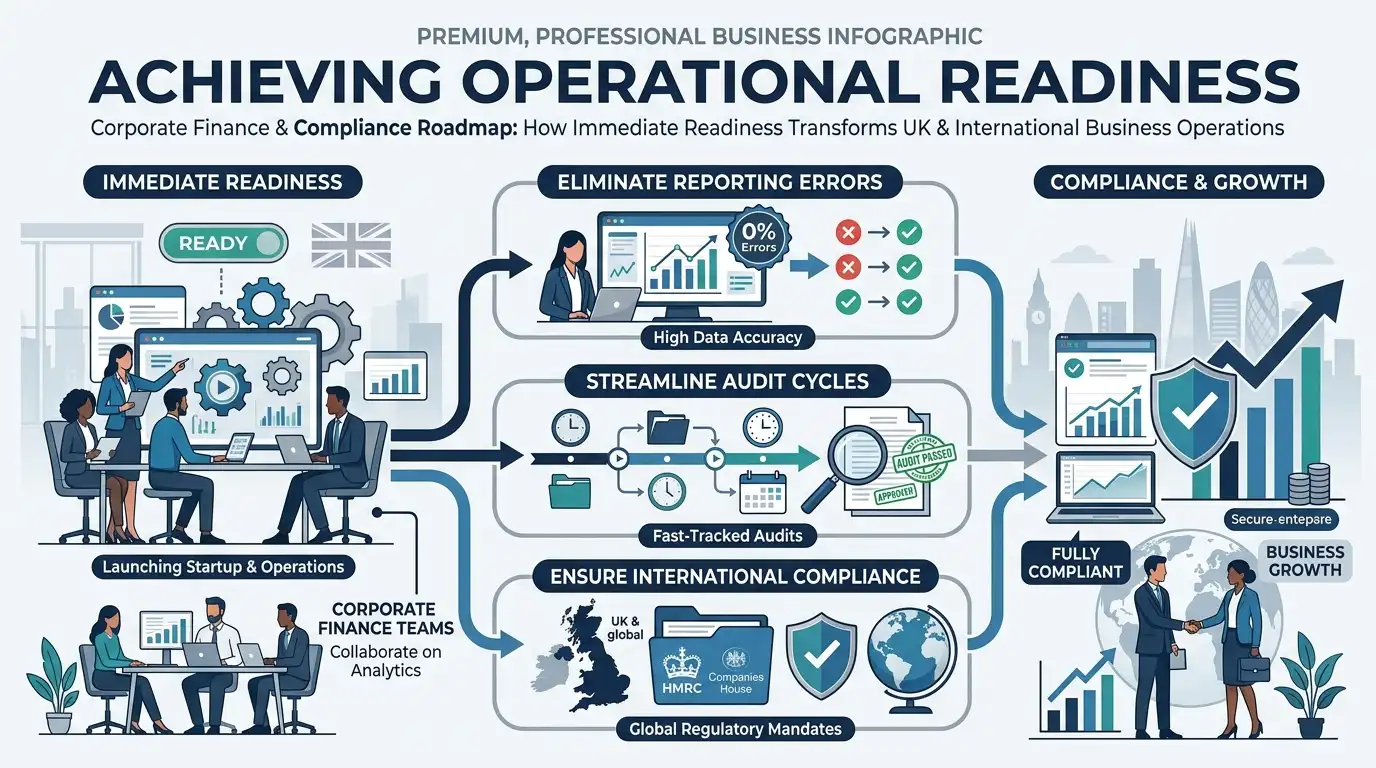
The practical impact of the IFRS for Oil & Gas Entities Fundamentals Training Course extends across individual career progression and corporate governance performance. Organizations sponsoring personnel through Institute For Oil & Gas Training observe measurable improvements in financial reporting accuracy and department efficiency.
For HR teams and departmental managers, this program solves critical competency shortages within technical accounting divisions. When accounting managers understand the exact parameters of technical standards, the time required to close reporting periods decreases significantly. Audit cycles become smoother because internal teams generate defensible, fully compliant documentation for every asset category.
Workplace application is immediate. For instance, corporate financial controllers can accurately assess asset impairments during commodity price downturns without relying entirely on external consultants. Accounting supervisors can train junior staff on complex depletion models using standardized methodologies acquired during the program.
By building internal technical depth, organizations reduce external advisory expenses and strengthen their leadership pipelines. Participants gain enhanced professional credibility, positioning themselves for advancement into senior financial reporting and controllership roles within the global energy sector.
How does enrollment work?
Enrollment is managed through a structured application process designed for qualified finance professionals, corporate HR sponsors, and institutional learning administrators seeking certified professional development.
Admission to the IFRS for Oil & Gas Entities Fundamentals Training Course requires a foundational background in corporate finance, accounting, or audit. Candidates typically include financial controllers, accounting managers, senior auditors, and corporate reporting specialists.
The application process administered by Institute For Oil & Gas Training follows three sequential phases:
Candidate Qualification Review: Prospective participants submit professional credentials and current role details to verify alignment with course prerequisites.
Corporate or Individual Registration: Applicants select their preferred delivery format, schedule window, and billing structure through the official portal.
Onboarding and Pre-Course Assessment: Enrolled participants receive digital access credentials, preparatory reading materials, and diagnostic testing tools prior to the live session commencement.
Corporate human resource departments seeking custom cohort deployment can coordinate directly with institutional advisors to tailor schedule milestones. To secure your professional credentials and advance your technical accounting capabilities, apply for course access today.
Frequently Asked Questions
What does Oil and Gas Petroleum IFRS & Financial Reporting training cover?
The Oil and Gas Petroleum IFRS & Financial Reporting program offered by Institute For Oil & Gas Training covers specialized extractive accounting standards, exploration and evaluation cost treatments, and asset impairment methodologies. Participants also master complex decommissioning provisions, depletion calculations, and transparent note disclosure requirements.
Why is specialized IFRS training necessary for petroleum accountants?
Traditional accounting frameworks often lack explicit guidance for upstream operations, leading to inconsistencies in financial statement preparation. Specialized Oil and Gas Petroleum IFRS & Financial Reporting training equips finance professionals at Institute For Oil & Gas Training to navigate industry-specific guidance gaps and ensure strict regulatory compliance.
Who should enroll in Oil and Gas Petroleum IFRS & Financial Reporting courses?
This technical curriculum is designed for financial controllers, corporate accountants, senior internal auditors, and finance managers operating within the energy sector. Professionals seeking to enhance their technical accounting competence and master extractive reporting standards benefit directly from the Oil and Gas Petroleum IFRS & Financial Reporting curriculum by Institute For Oil & Gas Training.
How does IFRS handle exploration and evaluation expenditures in the oil sector?
Under international reporting guidelines, entities can establish accounting policies that either capitalize or expense exploration costs incurred prior to technical feasibility. The Oil and Gas Petroleum IFRS & Financial Reporting courses by Institute For Oil & Gas Training provide rigorous instruction on applying these policy choices consistently across reporting periods.
What are the main reporting challenges in petroleum financial accounting?
Key reporting challenges include managing asset retirement obligations, executing accurate impairment tests on cash-generating units, and handling first-time adoption of global accounting frameworks. The Oil and Gas Petroleum IFRS & Financial Reporting sessions from Institute For Oil & Gas Training address these exact technical hurdles through applied case studies and practical frameworks.
Related training courses
Risk Management for Upstream & Midstream Projects: Exposures Training Course
- Specialisation
- Oil & Gas Petroleum Compliance, AML & Risks
- Duration
- 5 days · 15 CPD hours
Management Reporting Design for JV & Partner Audiences Training Course
- Specialisation
- Oil & Gas Petroleum IFRS & Financial Reporting
- Duration
- 5 days · 15 CPD hours
Consolidation & JV Structures for Petroleum Group Entities Training Course
- Specialisation
- Oil & Gas Petroleum Accounting
- Duration
- 5 days · 15 CPD hours
More articles

Key Revenue Recognition Challenges for Oil and Gas Companies Under IFRS
Explore key IFRS revenue recognition challenges in oil and gas, covering IFRS 15, IFRS 11 joint arrangements, IAS 36 impairments, and IAS 16 assets.
Read article →
Why Revenue Recognition Matters for Oil and Gas Companies
Discover how oil and gas companies master revenue recognition through targeted B2B workforce training, improving compliance and financial accuracy.
Read article →
Key IFRS Financial Reporting Challenges for Oil and Gas Companies
Explore key IFRS financial reporting challenges for oil and gas companies, including extractive activities, policy selection, and adoption hurdles.
Read article →